
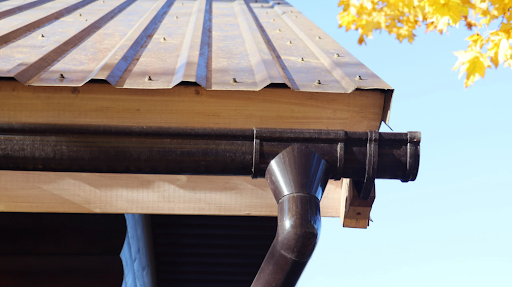
Gutter guards are a smart upgrade for homes that deal with heavy leaf fall and frequent rain. They reduce the amount of debris that enters the gutter system and help water flow more smoothly. Still, they do not eliminate maintenance completely. Even with a professionally installed gutter guard in Cumming, your gutters need periodic cleaning to keep them performing the way they should. Regular attention protects your roofline, siding, and foundation from water-related damage. It also ensures that the guard system continues to work as intended season after season.
Gutter Guards Reduce Problems but Do Not Remove Them
Gutter guards are designed to block larger debris like leaves and twigs, but smaller particles can still get through. Roof grit, pollen, shingle granules, and fine pine needles may slip past the surface and settle inside the gutter over time. When that buildup increases, water flow slows down, especially during storms.
Another factor is that debris can collect on top of the guards. If enough material piles up, it can create a mat that prevents water from draining properly. Instead of entering the gutter, water may spill over the edge and fall close to the foundation. Regular cleaning removes these layers before they become a drainage issue.
Cleaning Protects the Entire Drainage System
Your gutter guards are only one part of the larger drainage setup. Downspouts, elbows, and underground extensions can also clog, especially after storms. If debris blocks a downspout, the gutter can back up and overflow even if the guard surface looks clear.
Professional maintenance includes checking the flow through every section. Crews confirm that water drains quickly and that joints remain secure. This matters because slow drainage is one of the main causes of gutter sagging, seam separation, and fascia damage.
Seasonal Changes Create New Risks
Every season introduces a different kind of debris. Spring brings pollen and seed pods. Summer storms knock down small branches. Fall loads gutters with leaves. Winter can add freezing conditions that trap leftover grit along the guard surface. Because gutters face changing inputs all year, cleaning should follow a seasonal rhythm.
Even if the system seems fine in one season, the next can push it past its limit. Professional inspections after heavy storms are especially helpful, since wind can shift debris into places you cannot see from the ground.
Maintenance Preserves the Investment in Guards
Gutter guards are meant to extend gutter life and reduce maintenance stress, but only when they stay clear and properly seated. If debris is allowed to build up for years, the guard system may start to sag or separate from the gutter line. Water can then bypass the guard and create the same overflow problems you were trying to prevent.
This is also where it helps to understand how gutter guards protect your home and save you money, because their long-term value depends on continued performance. Regular professional cleaning keeps the guards aligned and functioning, which lets them deliver their full benefit over time.
Cleaning Frequency Depends on Your Property
Homes surrounded by tall trees need more frequent attention than homes in open areas. Roof pitch, gutter size, and local weather patterns all play a role, too. A professional can recommend a realistic cleaning schedule based on your specific conditions, so maintenance is predictable rather than reactive. This tailored plan helps prevent surprise clogs and ensures that heavy rain does not expose weak points in the drainage system.
Conclusion
Gutter guards are a powerful tool for keeping debris out and water moving, but they still need regular cleaning to perform at their best. Fine particles can enter the gutters, debris can build up on top, and downspouts can clog over time. Seasonal changes add new challenges, making routine professional maintenance essential. With consistent cleaning and inspection, gutter guards stay effective, protect your home from water damage, and continue delivering lasting value.