
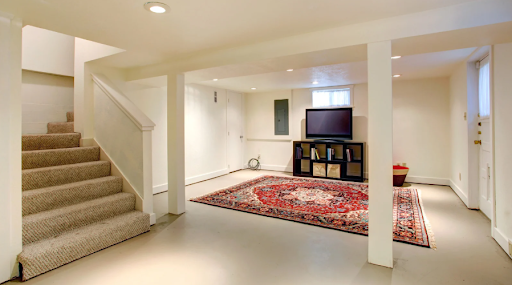
A basement is often the most overlooked part of a home, yet it can become one of the most useful. With the right upgrades, it can shift from a storage area into a comfortable living zone that supports your daily routine. Good planning improves lighting, comfort, and flow while protecting your home from moisture problems. A finished basement can also make your home feel more enjoyable without changing the footprint. The key is treating the space like a true part of the house from the start.
For homeowners considering basement remodeling in Dawsonville, working with experienced professionals helps you avoid common pitfalls and ensures every step meets safety and building standards. A well-designed basement should feel just as inviting and reliable as any other room.
Define the Role of the Space
The first step is deciding what purpose the basement will serve. Some households need a family lounge, others want a guest suite, a quiet workspace, or a fitness area. Your intended use affects ceiling design, electrical needs, plumbing locations, and even sound control. When the role is clear, the layout becomes easier to design, and the final space feels intentional.
A professional assessment is valuable at this stage. Experts can explain what is realistic based on your ceiling height, existing utilities, and structural supports. This keeps expectations grounded and helps avoid costly changes halfway through the project.
Handle Moisture and Structure Early
Basements sit below ground, so they naturally face more humidity and water pressure than upper floors. Before finishes are added, the space should be checked for leaks, condensation risk, and drainage performance. Addressing these elements first protects everything that comes later. Understanding what things to know before remodeling your basement helps you plan for moisture control, layout limits, and code requirements before construction begins. Getting these foundations right ensures the remodeled space stays dry, clean, and comfortable year-round.
Improve Air Quality and Comfort
Even basements that look dry can hide moisture inside walls or under slabs. Once sealed, that dampness can create odors or unhealthy conditions. Professionals use specialized waterproofing, ventilation planning, and humidity control to prevent future issues. Extending HVAC correctly or adding controlled dehumidification keeps the space feeling fresh rather than stuffy.
Upgrade Lighting and Ceiling Design
Lighting is the feature that most quickly changes how a basement feels. Because natural light is limited, you need layered illumination. Recessed fixtures, wall lights, and focused task lighting add depth and warmth. This avoids the dull effect of relying on one central fixture.
Ceiling design matters just as much. If the ceiling is low, smart lighting placement and lighter finishes can make the room feel taller. Professionals can also neatly manage exposed ductwork or pipes with soffits or access panels, so the basement looks finished while remaining serviceable.
Choose Materials Made for Below-Grade Spaces
Materials in a basement must handle humidity swings and cooler temperatures. Flooring should resist moisture while staying comfortable underfoot. Wall systems need to prevent condensation, and trim and paint should be rated for basement environments. These choices are not just about style; they are about long-term durability.
Professionals help balance look and performance, making sure finishes align with the rest of your home while still suiting basement conditions. For general basement design ideas, sources like finished basement inspiration can be useful for visual direction, then a remodeling team can adapt those concepts to your space. A basement works best when it stays organized. Built-in shelving, concealed storage, and multi-use zones keep clutter under control. Sound dampening, soft textiles, and strategic furniture placement can also make the basement quieter and more relaxing.
Conclusion
Transforming a basement into a functional space requires a clear purpose, a strong layout, and expert attention to moisture control, lighting, and material selection. When these elements are handled by professionals, the result is a comfortable, durable extension of your home that supports how you live every day.