
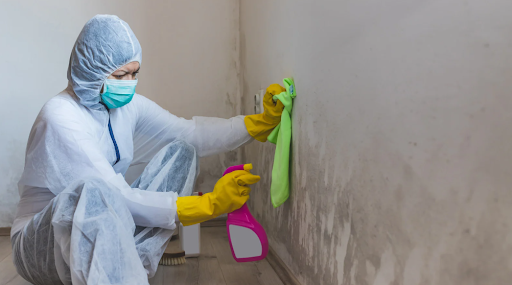
Successfully treating a mold problem goes far beyond scrubbing away the visible signs of growth. True remediation is a scientific process designed not only to remove existing contamination but also to prevent its return. Homeowners who have battled recurring mold know the frustration of seeing it reappear. This is where professional techniques make a critical difference. By employing a multi-step strategy, experts in mold remediation in Atlanta address the issue at its source, ensuring a comprehensive and lasting solution that protects your property and the health of your family.
The Foundation: Assessment and Containment
Before any removal begins, a thorough and professional process involves two critical preliminary stages: assessment and containment. These steps are fundamental to a successful outcome and are what set expert services apart. The first step is always to identify the full scope of the problem. Professionals use moisture meters and thermal imaging cameras to locate hidden moisture pockets behind walls, under floors, and in ceilings. This is crucial because mold requires moisture to live. By pinpointing the water source, whether it’s a slow plumbing leak, a foundation crack, or high humidity, they can address the root cause. Without fixing the water issue, any cleanup effort is only temporary.
Once the affected areas are identified, the next step is to isolate them. Professionals use heavy plastic sheeting and negative air pressure machines to create a containment zone. This prevents microscopic mold spores from becoming airborne and spreading to other parts of the home during the removal process. This single step is one of the most important in preventing cross-contamination and ensuring the problem doesn’t simply move to a new location.
The Core Process: Removal and Cleaning
With the area secured, the active removal and cleaning process can begin. This is a meticulous procedure that involves much more than just surface wiping. Throughout the remediation, industrial-grade air scrubbers equipped with HEPA filters run continuously inside the containment area. These machines capture airborne mold spores, dust, and other particulates, purifying the air. This significantly reduces the spore count and is essential for restoring healthy indoor air quality.
Porous materials that are heavily infested, such as drywall, insulation, and carpet, cannot be salvaged. Professionals carefully cut away and remove these materials in sealed bags to prevent spores from escaping. Non-porous or semi-porous materials like wood framing, metal, or concrete are thoroughly cleaned using specialized antimicrobial agents that kill mold at the cellular level. This deep cleaning is vital for ensuring no residual contamination remains. The duration of this process varies, and the timeline of mold remediation often depends on the extent of material removal required.
The Final Steps: Verification and Prevention
After the cleaning is complete, the job is not yet finished. The final phase focuses on ensuring the remediation was successful and implementing measures to stop future growth. Many reputable companies will recommend a third-party air quality test after the job is done. This independent verification confirms that the spore counts in the treated area have returned to normal, safe levels. This provides homeowners with peace of mind that the environment is truly healthy again.
To ensure the mold does not return, professionals may apply a fungicidal sealant or an antimicrobial coating to the treated surfaces. These products create a barrier that is resistant to future mold growth, providing an extra layer of protection, especially in areas prone to dampness.
Conclusion
Professional mold remediation is a systematic, science-based approach designed for long-term success. By focusing on identifying the moisture source, containing the work area, thoroughly cleaning and filtering the air, and verifying the results, experts can effectively stop the cycle of recurring growth. This methodical process ensures that your home is not only clean but also restored to a safe and healthy living environment.