
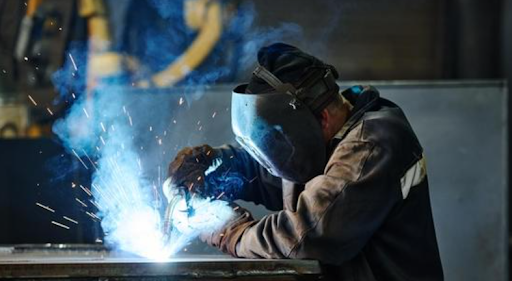
In modern manufacturing, robotic welding systems offer unmatched precision and efficiency. However, these automated processes generate significant amounts of harmful fumes and particulates. Ensuring a safe work environment is not just a best practice; it is a legal and ethical requirement. Implementing an effective robotic welding fume extraction system is a critical step for businesses to meet stringent health and safety standards. These systems are essential for protecting workers and achieving compliance with key regulatory bodies like OSHA and ISO.
The Role of Fume Extraction in Workplace Safety
Welding fumes contain a complex mixture of metallic oxides, silicates, and fluorides, which can pose serious health risks if inhaled. These risks range from short-term respiratory irritation to long-term conditions like cancer and neurological damage. Regulatory agencies have established clear guidelines to mitigate these dangers.
Meeting OSHA Standards
The Occupational Safety and Health Administration (OSHA) sets permissible exposure limits (PELs) for various substances found in welding fumes, including manganese, hexavalent chromium, and lead. To comply, employers must implement engineering controls to keep airborne contaminant levels below these legal thresholds. Fume extraction systems are considered a primary engineering control because they capture hazardous particles at the source before they can spread throughout the facility. A properly installed system ensures that the air quality in the breathing zone of all employees, not just the welders, remains safe and compliant with OSHA regulations.
Aligning with ISO 45001
Beyond national regulations, many companies pursue ISO 45001 certification to demonstrate their commitment to occupational health and safety management. This international standard requires organizations to proactively identify hazards, assess risks, and implement controls to prevent work-related injuries and illnesses. Integrating a reliable fume extraction solution into your robotic welding cells is a clear and demonstrable action that supports the principles of ISO 45001. It shows a commitment to continual improvement and creating the safest possible working conditions, which is a core tenet of the standard.
Integrating an Effective Fume Extraction System
To achieve full compliance and maximize safety, the fume extraction system must be correctly designed and integrated with the robotic welding operation. Simply having a system is not enough; it must be the right one for the specific application.
The design and layout of the welding cell, the types of materials being welded, and the volume of production all influence the required capacity and configuration. This is why choosing the right welding fume extractor is fundamental to a successful safety strategy. Professionals can assess these factors to recommend a solution—such as a source-capture hood or an ambient air filtration system—that provides optimal performance and ensures regulatory adherence.
Conclusion
Integrating a dedicated fume extraction system into robotic welding operations is a non-negotiable aspect of modern industrial safety. It serves as a direct engineering control to protect employees from hazardous airborne contaminants. More importantly, it is a foundational element for achieving and maintaining compliance with both OSHA’s legal mandates and the global best practices outlined in ISO standards. By prioritizing effective air filtration, companies can foster a safer, healthier, and more productive workplace for everyone.