
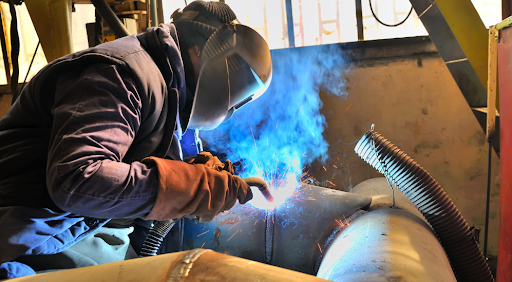
Ensuring clean air in a welding environment is crucial for worker safety and operational efficiency. The fumes and particulates generated during welding processes can pose significant health risks and affect product quality. Effective welding air filtration systems are not just a best practice; they are a fundamental component of a responsible industrial operation. Choosing between a fixed or portable system depends on your specific workshop layout, the nature of your welding projects, and your operational flexibility needs.
Making the right selection requires a clear understanding of what each system type offers.
Understanding Fixed Air Filtration Systems
Fixed air filtration systems, often called centralized or stationary systems, are integrated directly into a facility’s infrastructure. They are designed to provide comprehensive air cleaning for a specific, defined area, such as a dedicated welding bay or an entire workshop.
Advantages of Fixed Systems
A primary benefit of a fixed system is its power and capacity. These units are built for high-volume, continuous operation, making them ideal for production lines and heavy-duty fabrication shops where welding is constant. They often feature multiple extraction arms, hoods, or downdraft tables connected to a single, powerful filtration unit. This setup ensures consistent and thorough fume removal across a large space, contributing to a consistently safe working environment.
Considerations for Fixed Systems
The main consideration for a fixed system is its permanence. Installation is a significant undertaking, requiring professional planning and integration into your building’s layout. This makes them less suitable for workshops that may need to reconfigure their floor plan in the future. The initial investment is typically higher than for portable units, but for high-volume operations, they offer a powerful, long-term solution.
Exploring Portable Air Filtration Systems
Portable air filtration units are self-contained, mobile systems that can be moved directly to the source of the welding fumes. They are a flexible solution for shops with changing layouts or for projects that occur in various locations.
Advantages of Portable Systems
Flexibility is the greatest strength of portable systems. These units can be easily rolled to any workstation, providing targeted fume extraction exactly where it is needed. This “source capture” method is highly effective at preventing fumes from spreading into the broader workshop environment. They are an excellent choice for maintenance work, smaller job shops, or facilities where welding tasks are not confined to a single area. Additionally, the knowledge of the impact of welding air filters on maintaining environmental compliance reinforces their importance in meeting regulatory standards, regardless of the system type.
Considerations for Portable Systems
While highly versatile, portable units generally have a smaller capture zone and capacity compared to fixed systems. They are designed to serve one or two welding stations at a time. For larger operations with multiple welders working simultaneously, a fleet of portable units might be required, which could become less efficient than a single centralized system.
Conclusion
Choosing the right air filtration system comes down to an analysis of your specific operational needs. Fixed systems offer powerful, wide-ranging air purification for established, high-volume welding environments. Portable systems provide unmatched flexibility and effective source capture for dynamic workshops, varied job sites, and smaller-scale operations. Evaluating your workflow, facility layout, and the scale of your welding tasks will guide you toward the solution that best protects your team and supports your work.