
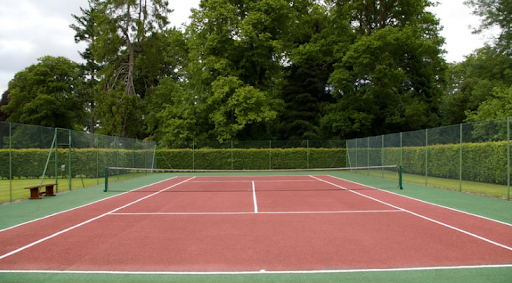
A tennis court site assessment is an essential first step in planning repairs, resurfacing, or complete reconstruction. It provides a clear understanding of the court’s current condition, structural needs, and potential improvements. Many court owners rely on experienced specialists to ensure accuracy and long-term performance, especially when working with tennis court contractors in South Carolina who understand the regional climate and surface requirements. Knowing what happens during an assessment helps owners feel confident in the decisions that follow and ensures the project is planned with precision.
Why a Court Site Assessment Is So Important
A professional assessment reveals issues that may not be visible on the surface. From underlying base problems to drainage concerns, every layer of the court plays a role in performance and longevity. Contractors evaluate all aspects of the structure to determine what repairs or upgrades are necessary.
This thorough review prevents unexpected complications later in the project. It also helps establish an accurate scope of work and ensures the investment leads to a court that performs consistently and safely. An expert evaluation allows owners to understand how the court has aged, how environmental factors affect it, and what steps are needed to restore or rebuild it properly.
Examination of Surface Conditions and Damage
The first phase typically focuses on identifying surface flaws such as cracks, depressions, fading, or worn areas. These concerns can affect playability and worsen over time if not addressed. Contractors analyze the depth and severity of cracks and evaluate how surface wear impacts ball bounce and traction.
This phase may include testing the surface texture, checking for uneven patches, and assessing how well coatings have adhered over the years. These details guide the approach to resurfacing or repairs. Understanding what questions to ask before hiring a tennis court contractor helps court owners make informed decisions and ensures they choose a team with the right expertise for their project. Additional clarity on these considerations can be found at, which helps owners prepare for important conversations before seeking any further information elsewhere.
Inspection of Base, Drainage, and Structural Elements
Under the surface, the court’s foundation plays a major role in its longevity. Contractors check for soil movement, drainage effectiveness, and any structural shifts that could cause future issues. Poor drainage can lead to water damage, cracks, and surface instability, making it one of the most critical components assessed during the inspection.
Professionals often look for signs of sinking, erosion, or improper compaction as these can affect the quality of the restoration or new construction plan. If structural problems are detected, contractors will outline solutions that support long-term court stability.
Evaluating Surrounding Areas and Environmental Influences
The surrounding environment also influences the court’s performance. Vegetation, shade levels, nearby water sources, and slope direction all contribute to long-term wear. Contractors measure these elements to determine how they may affect resurfacing or drainage plans.
The assessment may also include reviewing fencing, lighting, and access pathways since these features impact usability and safety. A well-planned site analysis ensures every surrounding factor is accounted for before work begins.
Creating a Detailed Project Plan Based on Findings
Once the assessment is complete, contractors provide a clear plan outlining recommended repairs, resurfacing methods, or reconstruction options. This includes estimated timelines, material choices, and preparation steps required to achieve the best results. Owners gain a full understanding of their court’s needs and can make confident decisions moving forward.
Conclusion
A professional tennis court site assessment provides a thorough evaluation of surface conditions, structural factors, and environmental influences. By understanding what to expect during this process, court owners can move forward with clarity and ensure their project is built on a solid foundation for long-lasting performance and improved playability.